
USDA Loans in Michigan: Zero Down Payment Home Financing
What is a USDA Loan?
A USDA loan is a government-backed mortgage program designed to help eligible homebuyers purchase a home with no down payment required. The program is administered by the United States Department of Agriculture (USDA) and was created to encourage homeownership in rural and many suburban communities throughout the country.
One of the biggest advantages of a USDA loan is the ability to finance up to 100% of the home’s purchase price. For qualified borrowers, this means the opportunity to purchase a home without needing years to save for a large down payment.
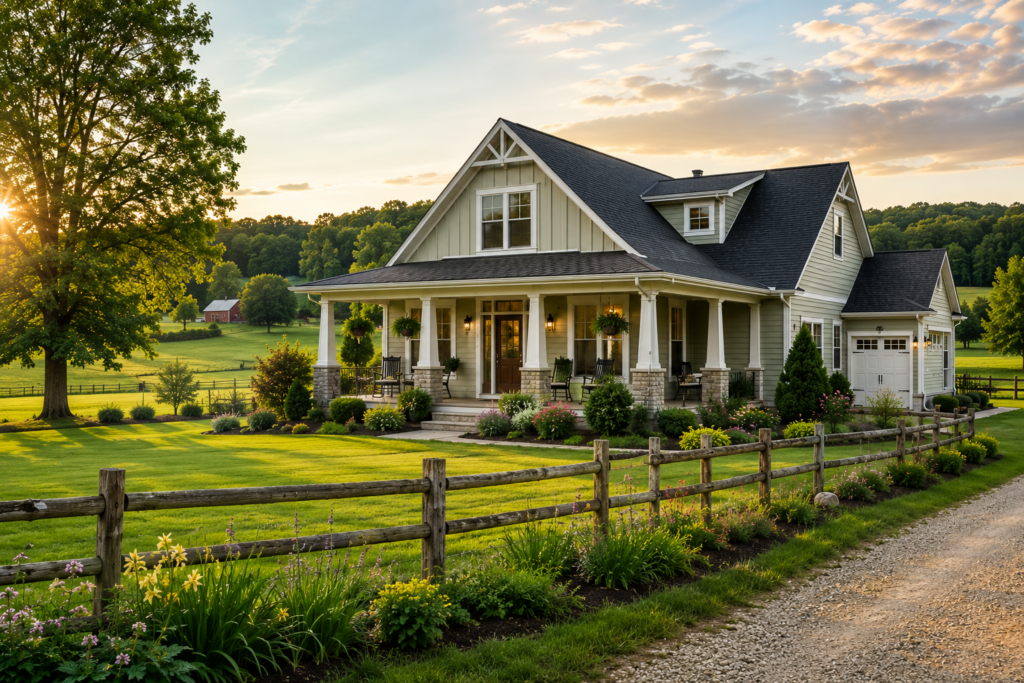
Many Michigan homebuyers are surprised to learn that USDA-eligible areas extend well beyond what most people would consider “rural.” Numerous communities throughout Oakland, Macomb, Lapeer, St. Clair, Livingston, Genesee, and surrounding counties may qualify.
How Does a USDA Loan Work?
USDA loans are issued by approved lenders and backed by the federal government. Because of this guarantee, lenders can often offer competitive interest rates and flexible qualification requirements.
USDA loans can be used to:
- Purchase an existing home
- Purchase a newly constructed home
- Purchase certain eligible condominiums
- Refinance an existing USDA loan in some situations
- Finance eligible repairs and improvements
The property must be used as your primary residence.
What Are the Benefits of a USDA Loan?
No Down Payment Required
Perhaps the most attractive feature of the USDA program is the ability to purchase a home with no down payment.
Unlike conventional financing that may require 3% to 20% down, USDA financing allows qualified borrowers to obtain 100% financing.
Competitive Interest Rates
USDA loans often offer interest rates that are comparable to or lower than many conventional mortgage programs.
Lower Mortgage Insurance Costs
USDA loans generally have lower monthly mortgage insurance costs than FHA financing.
This can help keep monthly payments more affordable.
Flexible Credit Guidelines
While every borrower’s situation is different, USDA loans may be more forgiving than some conventional loan programs.
Seller Concessions Allowed
In many cases, sellers can contribute toward certain closing costs, reducing the amount of cash needed to close.
USDA Loan Eligibility Requirements
To qualify for a USDA loan, borrowers must meet certain eligibility requirements.
Property Eligibility
The property must be located in an area approved by the USDA.
Many suburban communities throughout Michigan qualify.
Income Limits
USDA loans are intended for low-to-moderate-income households.
Eligibility is based on household income and family size.
Income limits vary by county and are updated periodically.
Occupancy Requirements
The property must be occupied as your primary residence.
USDA loans cannot be used for investment properties or vacation homes.
Credit Requirements
Many lenders prefer a credit score of 640 or higher, although exceptions may be available depending on the overall loan profile.
Debt-To-Income Ratios
USDA loans evaluate your monthly debt obligations compared to your income.
Borrowers with strong compensating factors may qualify even if they exceed standard guidelines.
What Areas in Michigan Qualify for USDA Financing?
One of the most common misconceptions about USDA loans is that they only apply to farmland.
In reality, many suburban communities qualify.
Examples of areas that may have USDA-eligible properties include:
- Portions of Macomb County
- Parts of Oakland County
- Lapeer County
- St. Clair County
- Livingston County
- Genesee County
- Monroe County
- Washtenaw County
Eligibility can vary by address, so the best way to determine qualification is to review the specific property. If you’re unsure whether a property qualifies, speaking with a local Mortgage Broker in Rochester can help clarify your options.
USDA vs FHA Loans
Both USDA and FHA loans are popular among first-time homebuyers.
USDA Advantages:
- No down payment
- Lower monthly mortgage insurance
- Competitive rates
FHA Advantages:
- More flexible property location requirements
- Potentially more flexible credit options
Depending on your situation, one program may be a better fit than the other.
USDA vs Conventional Loans
Conventional loans may offer advantages for borrowers with strong credit and larger down payments.
However, USDA financing can be extremely attractive because of the zero-down-payment feature.
Many first-time homebuyers find USDA loans provide a faster path to homeownership.
Frequently Asked Questions
Do USDA loans require a down payment?
No. Qualified borrowers may purchase a home with no down payment.
Are USDA loans only for first-time homebuyers?
No. Previous homeowners may also qualify.
Can USDA loans be used for refinancing?
Certain USDA refinance programs are available for eligible borrowers.
Can I buy a manufactured home with a USDA loan?
Some manufactured homes may qualify if they meet USDA guidelines.
Are USDA loans only available in rural areas?
No. Many suburban communities throughout Michigan qualify.
Is a USDA Loan Right for You?
If you’re looking for a low-down-payment or no-down-payment mortgage option, a USDA loan may be worth exploring.
Many buyers are surprised to learn they qualify for USDA financing based on their income and the location of the home they want to purchase.
At BrightSide Lending, we help Michigan homebuyers evaluate USDA, FHA, VA, and Conventional loan options to determine the best fit for their goals. Obtaining a mortgage pre-approval can help determine which loan program may be the best fit.
Whether you’re working with a Mortgage Broker in Macomb Township or elsewhere in Michigan, understanding all available loan programs is important. If you’d like to find out whether a property qualifies for USDA financing, contact BrightSide Lending today.


